You are here: Home » Training courses » OilDoc seminars » Infrared-spectroscopy for practical purposes – understand and interpret IR-spectra

Infrared-spectroscopy for practical purposes – understand and interpret IR-spectra

Infrared-spectroscopy for practical purposes – understand and interpret IR-spectra - Seminar (2 days)

08.10.2026 09:00
09.10.2026 16:30
Brannenburg
On-siteDeutsch
850.00 € zzgl. MwSt.
08.10.2026 09:00
09.10.2026 16:30
Live video stream
OnlineDeutsch
790.00 € zzgl. MwSt.
14.10.2027 09:00
15.10.2027 16:30
Brannenburg
On-siteDeutsch
850.00 € zzgl. MwSt.
14.10.2027 09:00
15.10.2027 16:30
Live video stream
OnlineDeutsch
790.00 € zzgl. MwSt.
Appointment on request
Location as desired
In-HouseDeutsch
5,400.00 € zzgl. MwSt.

Practical application of infrared spectroscopy for lubricant analysis

Infrared spectroscopy (IR) is one of the most effective methods for precisely analysing lubricants and identifying their composition and ageing processes. Despite the long-established fundamentals of FT-IR spectroscopy, the correct interpretation of IR spectra remains a challenge for many users. The constantly evolving types of lubricants, especially modern synthetic variants, pose new challenges for traditional analysis methods. While traditional standards such as DIN or ASTM often reach their limits, modern numerical methods enable a significantly more accurate assessment of lubricant quality and its suitability for use. In practice, the quality of the analysis results depends primarily on the correct handling and evaluation of the spectrum data.

Our seminar provides you with in-depth knowledge on the application of FT-IR spectroscopy in lubricant analysis – from the basics to practical examples based on over 25 years of experience and hundreds of thousands of analysed spectra. This will teach you how to reliably read and understand IR spectra of oils and lubricants and use them specifically for your quality control purposes. Take advantage of modern IR analysis methods to reliably test lubricants and evaluate their performance.

  • Safe use of FT-IR spectroscopy for lubricant analysis
  • Identification of important basic oil and additive components
  • Use of FT-IR spectroscopy for quality assurance and incoming goods inspection
  • Use of conventional and chemometric methods for monitoring used lubricants
  • Practical interpretation of FT-IR spectra, taking sources of error into account
  • Identification of unknown substances using FT-IR libraries
  • Linking FT-IR results with other lubricant analysis methods

  • Personnel of labs with Relations to lubricant analytics
  • Skilled employees from technical and sales departments of lubricant producers and their trade partners
  • Operating fluids responsibles of machine and component producers
  • Quality managers and employees from the area warranty of machine and lubricant Producers and their suppliers
  • Technical purchasers for lubricants and operating fluids
  • Skilled employees working in condition Monitoring, oil care and fluid management
  • Technically interested employees who want to extend their knowledge about lubricants
Seminar (2 days)

Content

Fundamentals of IR Spectroscopy

  • Principle of Operation
  • Qualitative Analysis, Quantitative Analysis
  • Equipment Technology

Application Identification

  • Identifying Using Examples
  • Base oils and additives

FT-IR Spectroscopy of Used Oils

  • General approach
  • Reference Methods, JOAP
  • Peak Selection, Calibration
  • Standardized Measurement and Evaluation Methods

FT-IR Analysis of New and Used Lubricating Oils I

  • Chemometric Modeling
  • Introduction, Analysis of the Oil Condition
  • Classical Spectroscopy (Single Spectral Line) → Chemometrics
  • Consideration of Other Testing Methods (e.g., ICP Elemental Analysis)


FT-IR and Used Oil Analysis I

  • Part 1: Internal Combustion Engines
  • Special Features, Constraints
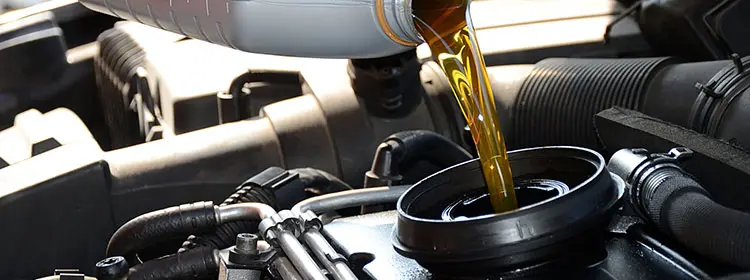
  • Examples: Gas engines, diesel engines, gasoline engines

Fuels and FT-IR

  • Diesel fuels (B7, B20, B30)
  • Biodiesel, vegetable oil fuel, and e-fuel (HVO100)
  • Gasoline: ASTM Methods

Greases and IR Spectroscopy

  • Analytical Methods and Routine Analyses
  • IR Measurement Technology for Lubricating Greases
  • Identification of Typical Thickening Systems

FT-IR Analysis of New and Used Lubricating Oils II

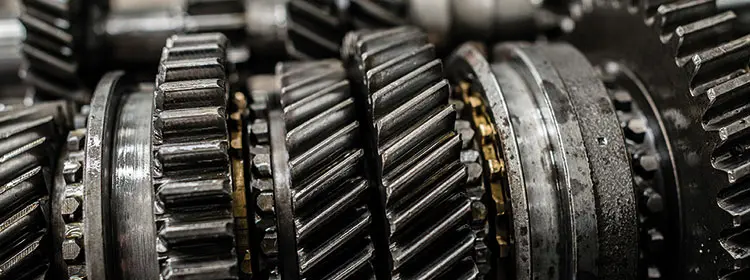
  • Part 2: Gearbox Oils, Circulating Lubricating Oils, Turbine Oils
  • Besonderheiten, Randbedingungen
  • Examples

FT-IR Analysis of New and Used Lubricating Oils III

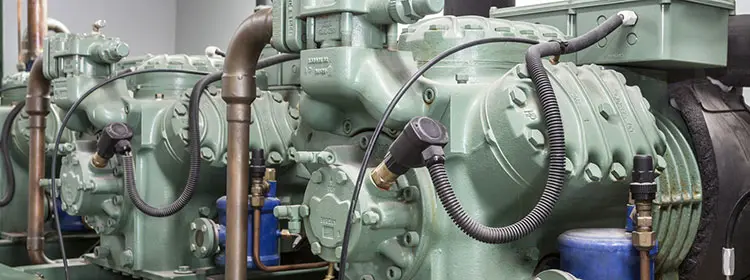
  • Part 3: Hydraulic fluids, compressor oils, etc.
  • Identifying and Addressing Specific Issues
  • Examples
  • Outlook: Analysis of Backlogs

Event type:

Level:

Focus:

Your speaker

Seminar price includes:

  • Participation in the seminar
  • Hot lunch
    on all days*
  • Coffee/tea and snacks*
  • Water and juices*
  • Detailed seminar documents
    (digital)
  • Certificate of participation
    (*with presence in Brannenburg)

Note: Printed training materials are available at an additional cost (€40.00 plus VAT).

Live-Video-Stream:

  • via Microsoft Teams
  • You will receive the access data
    by email

    you need:
  • PC / Notebook
  • Headphones or speakers
  • optional: camera
  • stable internet connection

Seminar Insurance

Our external partners:

Take out seminar insurance now

Secure your price advantage now!

No appointment available? Get notified now!

Data protection

%%course%%

14 + 4 =

Appointment request for in-house training

Data protection

8 + 15 =